
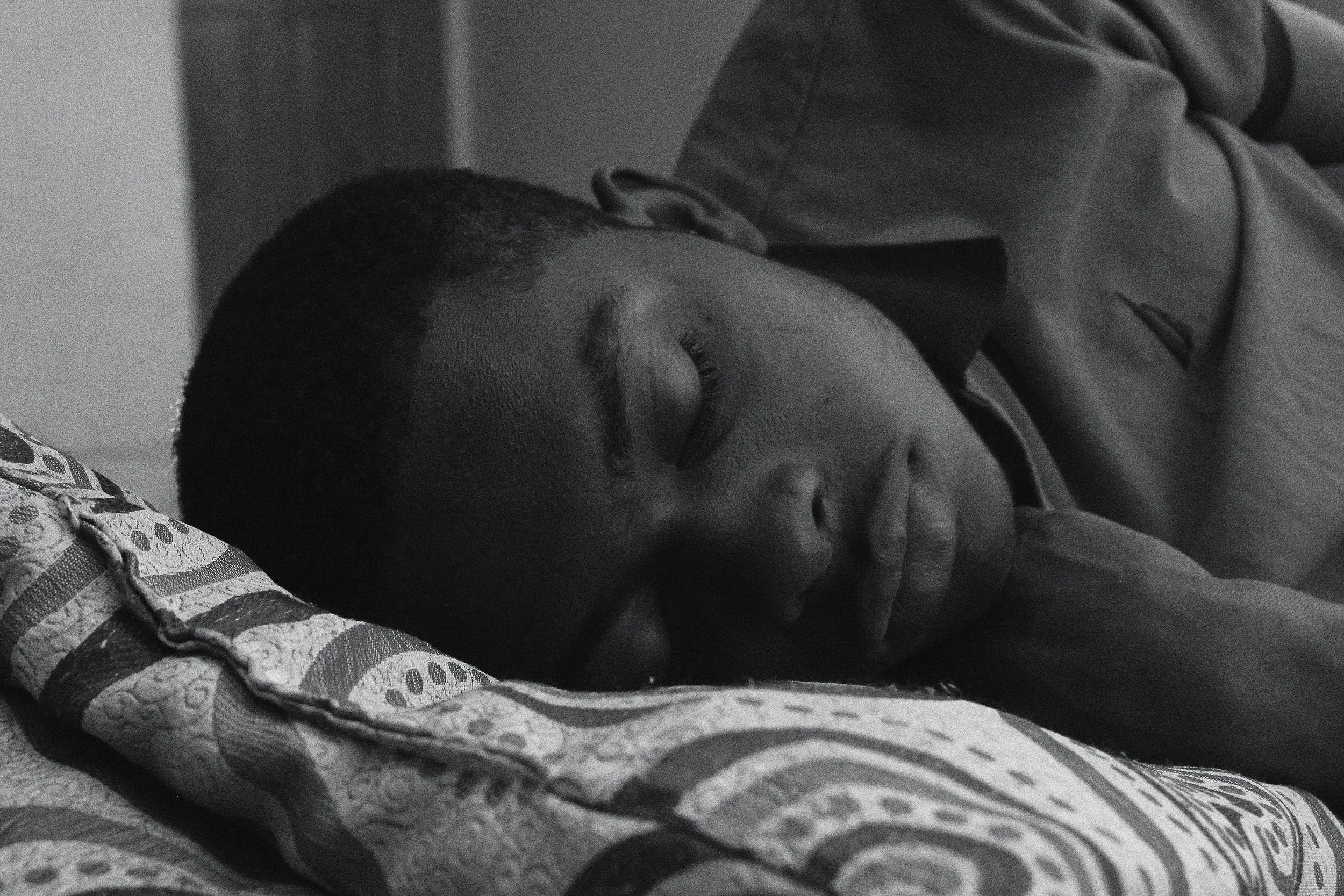
Sleep Problems in Autistic Adults: Why Rest Can Be So Difficult
Sleep problems are common in autistic adults and can affect energy, sensory regulation, executive functioning, mood and daily routines. Understanding the sensory, behavioural and nervous system factors behind poor sleep can help make rest more predictable, restorative and sustainable.
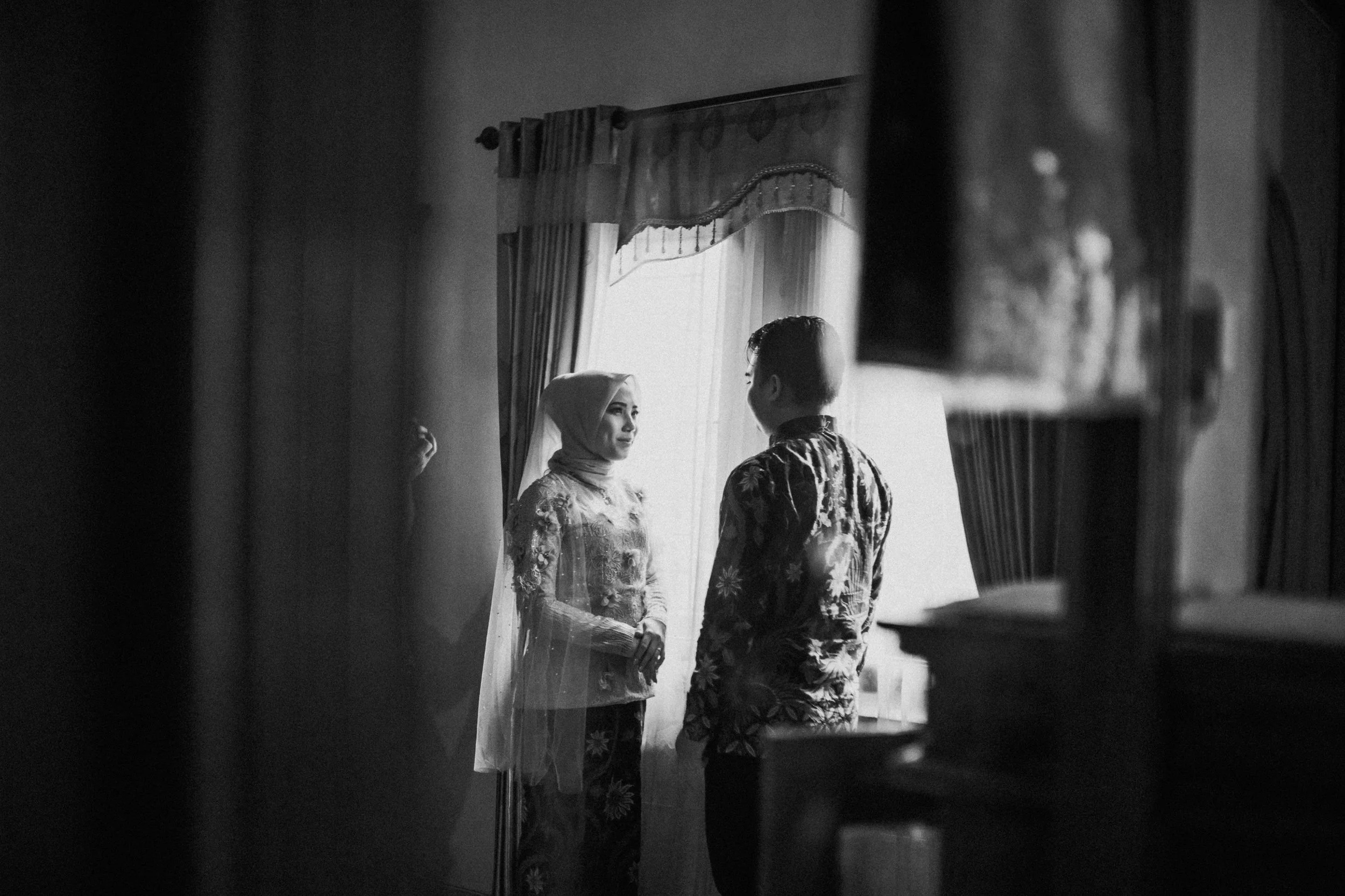
Autistic Unmasking in Relationships: What Happens When You Stop Hiding?
Unmasking can change more than how autistic adults understand themselves. It can also reshape relationships. As masking reduces, boundaries, communication and support needs may become more visible, raising an important question: which relationships feel safe enough for you to be more authentically autistic?

Autistic Self-Criticism: The Hidden Exhaustion Behind Burnout
Many autistic adults live with a relentless internal critic telling them to cope better, try harder and stop struggling. Over time, that self-talk can add to exhaustion, shame and burnout. Self-compassion offers a different way to respond: with curiosity, support and a more sustainable understanding of your needs.
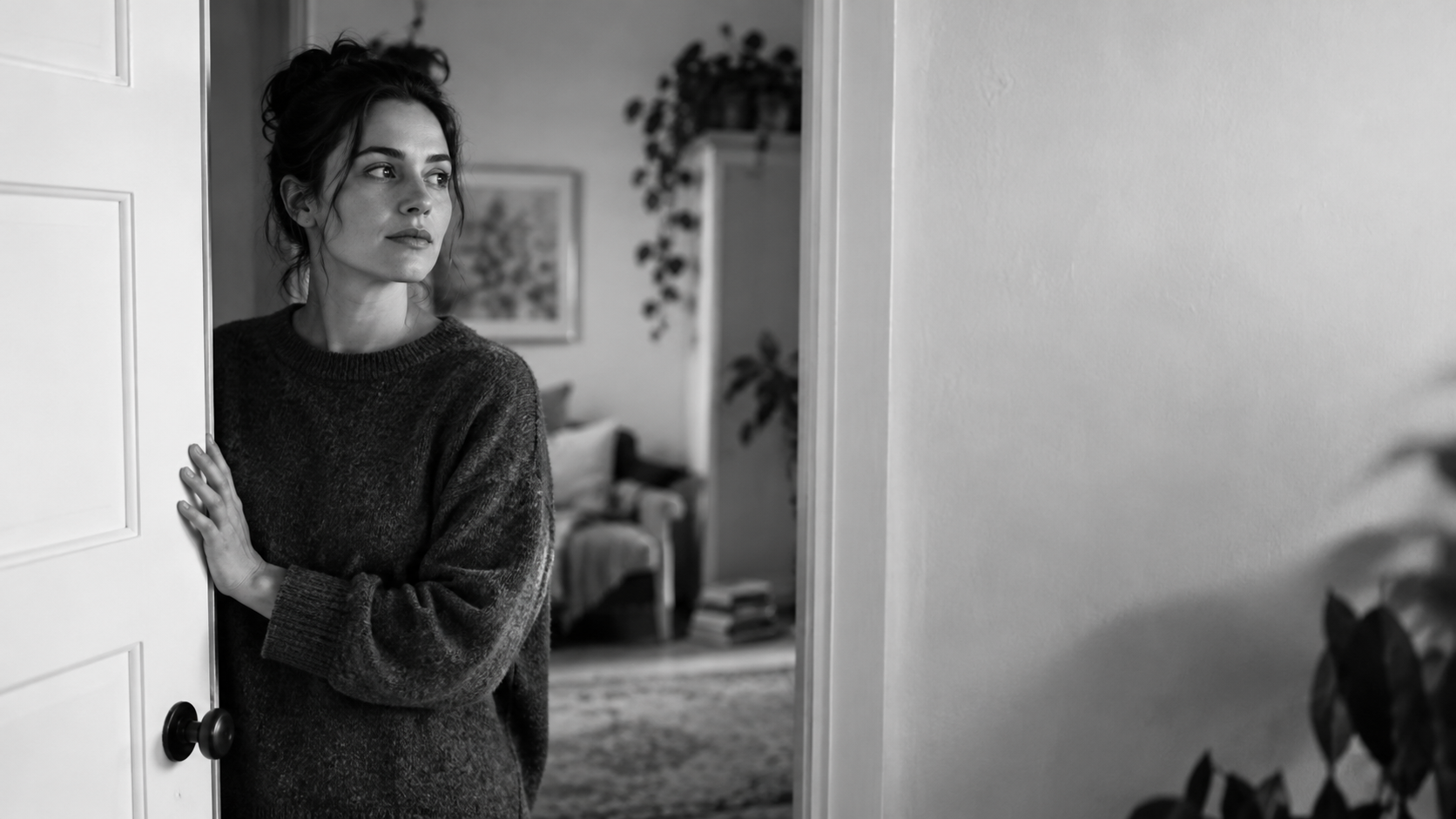
Boundaries for Autistic Adults: Protecting Your Energy and Preventing Burnout
For autistic adults, boundaries are more than a relationship skill. They protect energy, reduce sensory overload, support nervous system regulation and help prevent burnout. Learning to set and enforce clear limits can be an essential part of building a more sustainable life.

Why work so often fails autistic adults
Autistic adults continue to experience some of the poorest employment outcomes in Australia. The problem is often not capability, motivation or intelligence, but a mismatch between autistic nervous systems and the way workplaces are designed. Sustainable employment starts with finding the right conditions, not forcing people to fit the wrong ones.
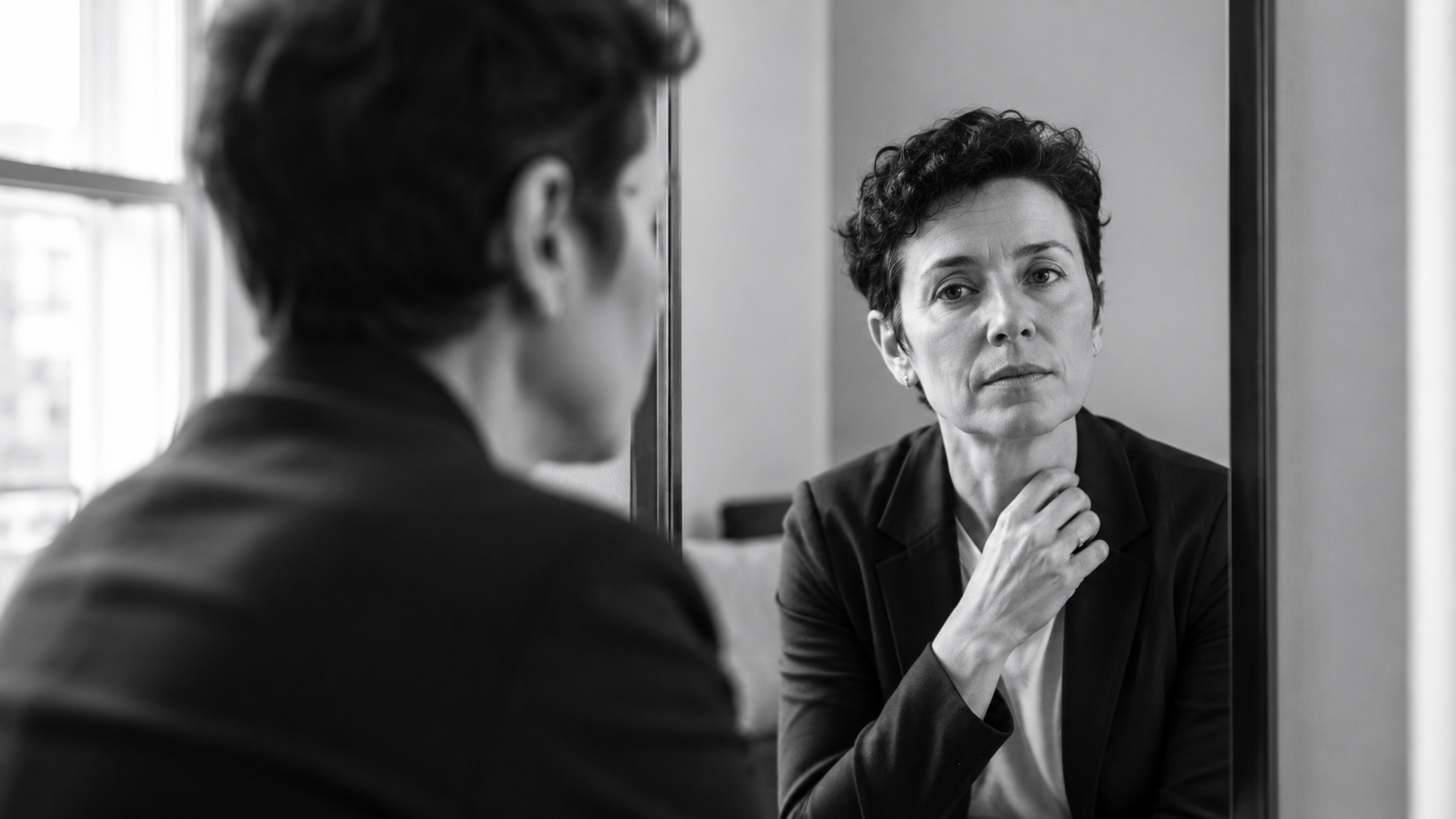
Autistic Masking in Adults: The Quiet Cost of Looking “Fine”
Autistic masking can look like competence from the outside while quietly driving exhaustion, burnout and loss of self-trust. Learn what masking really costs and how occupational therapy can support safer, more sustainable unmasking.

The Body Is Not Separate From The Brain. Why Autistic Adults Burn Out So Easily.
Autistic exhaustion is not laziness or inconsistency. This article explores why autistic adults experience fatigue, the boom and bust energy cycle and how energy conservation can support more sustainable daily life.