
Occupational therapy sessions for autistic adults
You do not have to push through alone.
OT sessions at Kintsugi OT are practical, neuro-affirming and trauma-informed, grounded in real world function rather than compliance or performance. We focus on what makes life sustainable in your actual environment, with your actual nervous system.
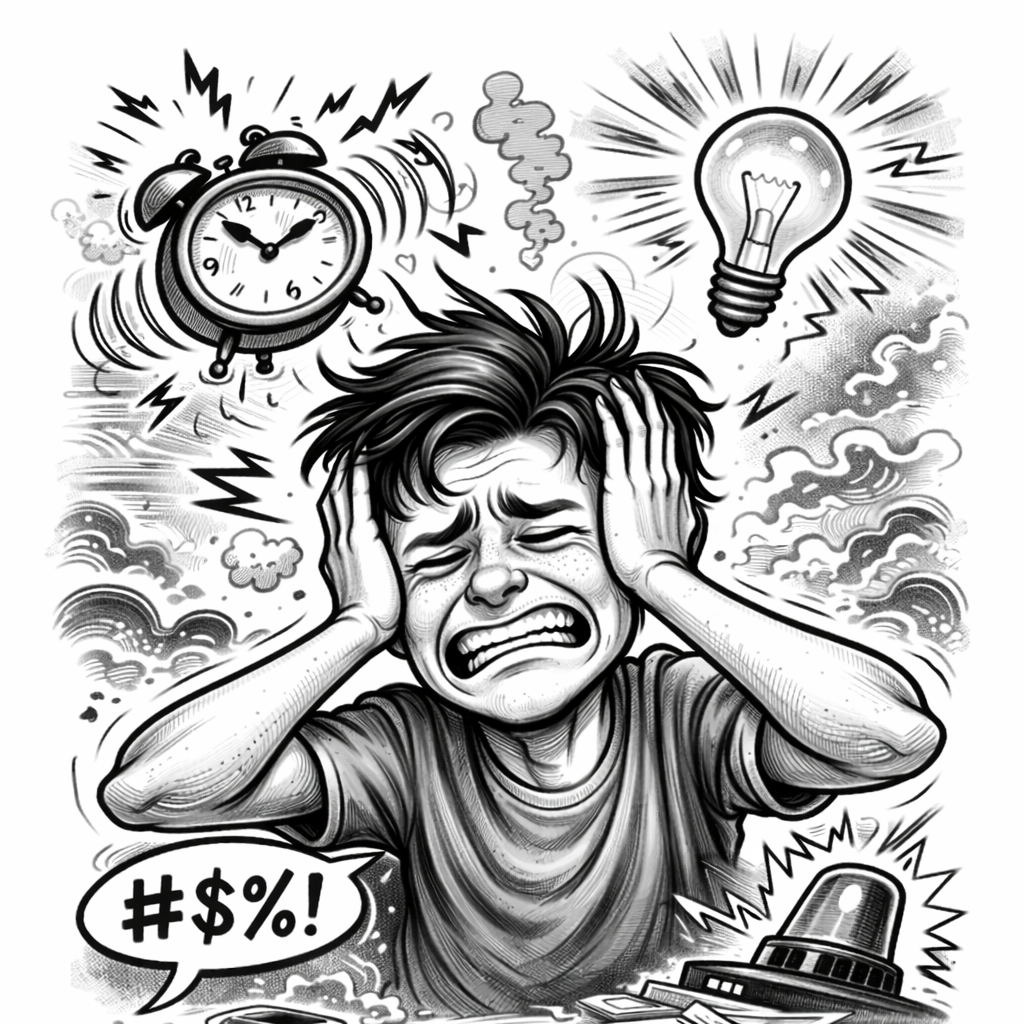
Whether you are burnt out, overloaded or stuck in boom and bust cycles, we slow things down and build clarity around what is happening and what needs to change.
Occupational therapy services
Sensory processing and environmental design
Sensory overload can significantly impact daily functioning, emotional regulation and fatigue.
OT support may include sensory profiling and practical changes to home, work and community environments to reduce ongoing overload.
Energy and burnout support
Many autistic adults experience ongoing fatigue or cycles of burnout due to sustained sensory and cognitive load.
Support focuses on identifying energy patterns, reducing baseline demands and rebuilding capacity in a realistic way that supports long term functioning.


Interoception and body signal awareness
Difficulties noticing internal body signals such as hunger, pain or fatigue are common and can lead to delayed self care or health issues.
Interoception focused support helps improve awareness of body signals and supports earlier, more effective responses.
Executive function and sustainable routines
Executive function challenges can affect planning, initiation and task completion.
Support focuses on reducing cognitive load, building external systems and creating routines that are sustainable and supportive of the nervous system.


Unmasking and self advocacy
Long term masking can contribute to burnout, anxiety and reduced wellbeing.
Support focuses on safe unmasking, boundary setting and developing self advocacy skills across healthcare, work and relationships.
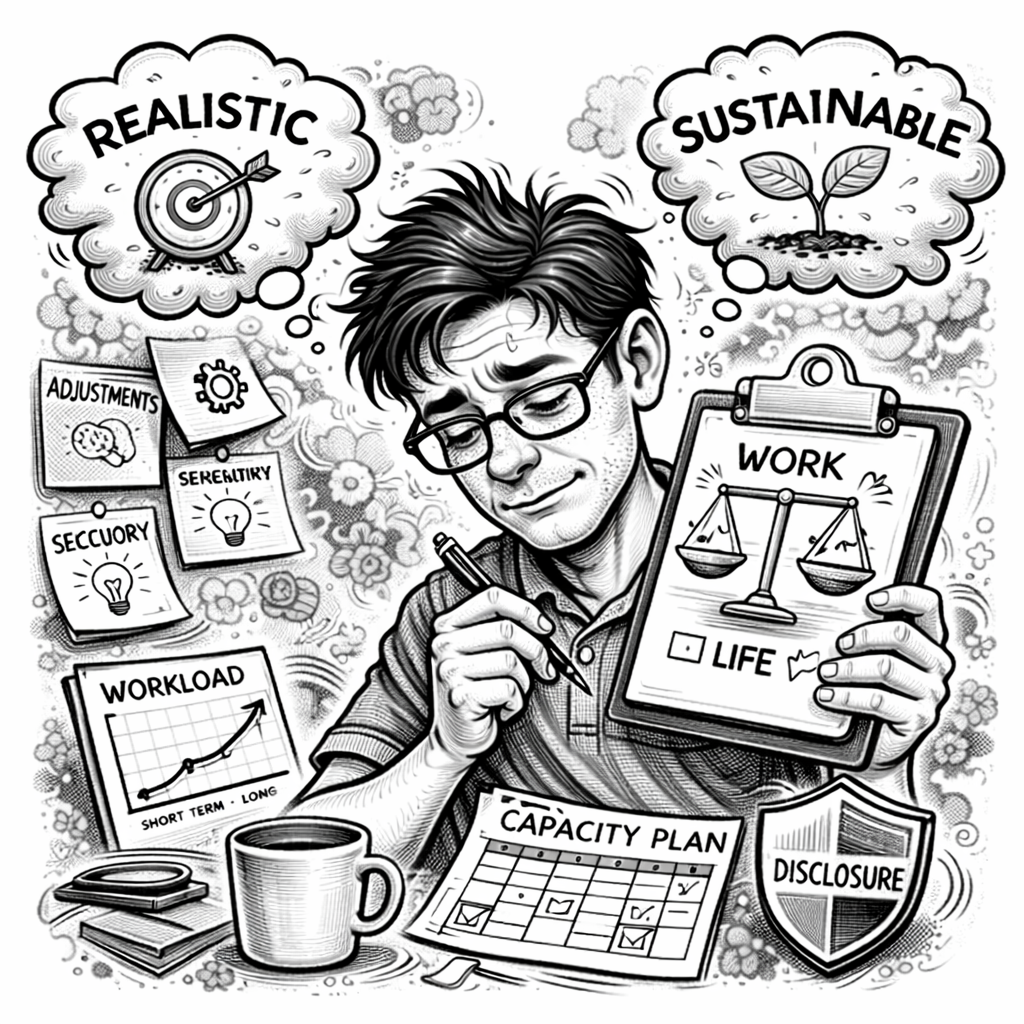
Work sustainability and capacity planning
This service focuses on what work is realistic and sustainable over time rather than short term capacity.
Support may include analysis of sensory and executive demands, workload planning, disclosure considerations and reasonable adjustments.
Parenting load and home functioning
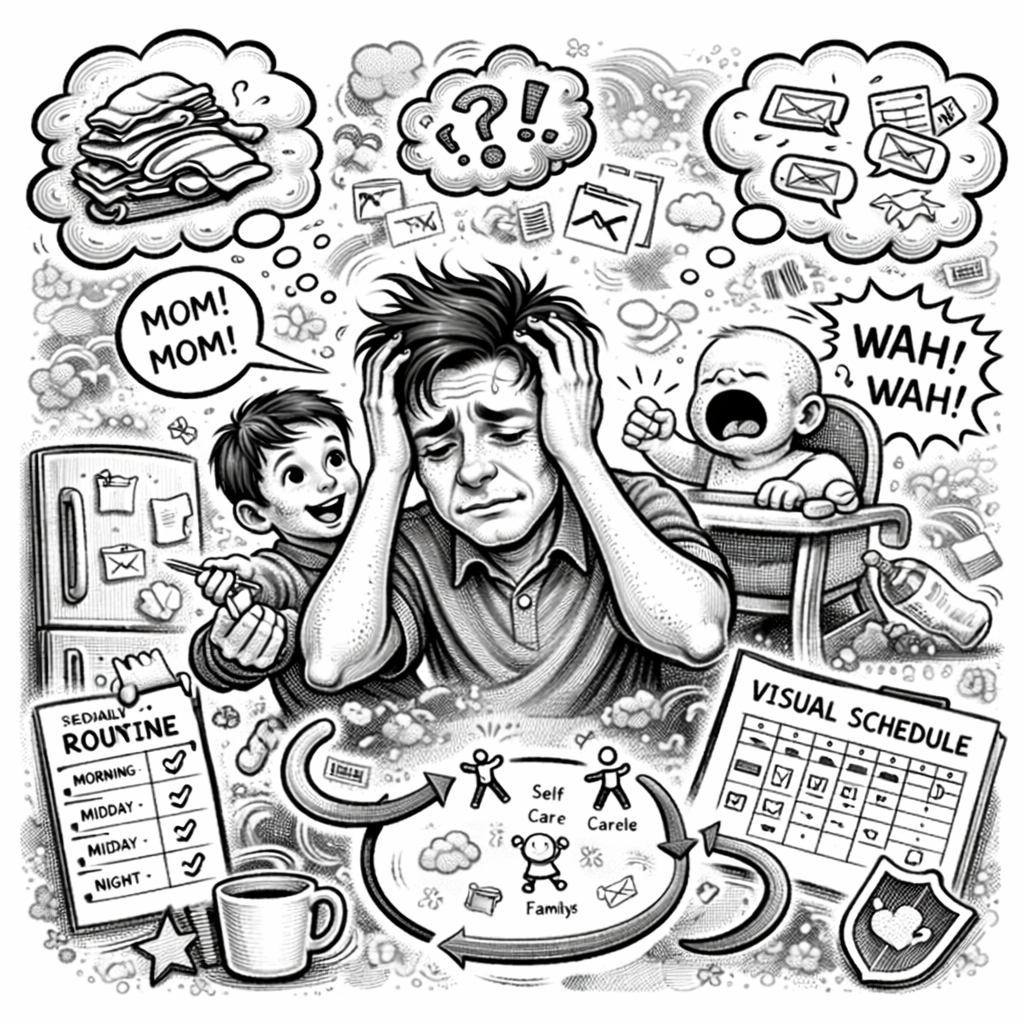
Autistic parents often carry a high invisible load related to sensory demands, routines and decision making.
OT support focuses on simplifying routines, reducing friction at home and supporting nervous system regulation within family life.
Sleep support
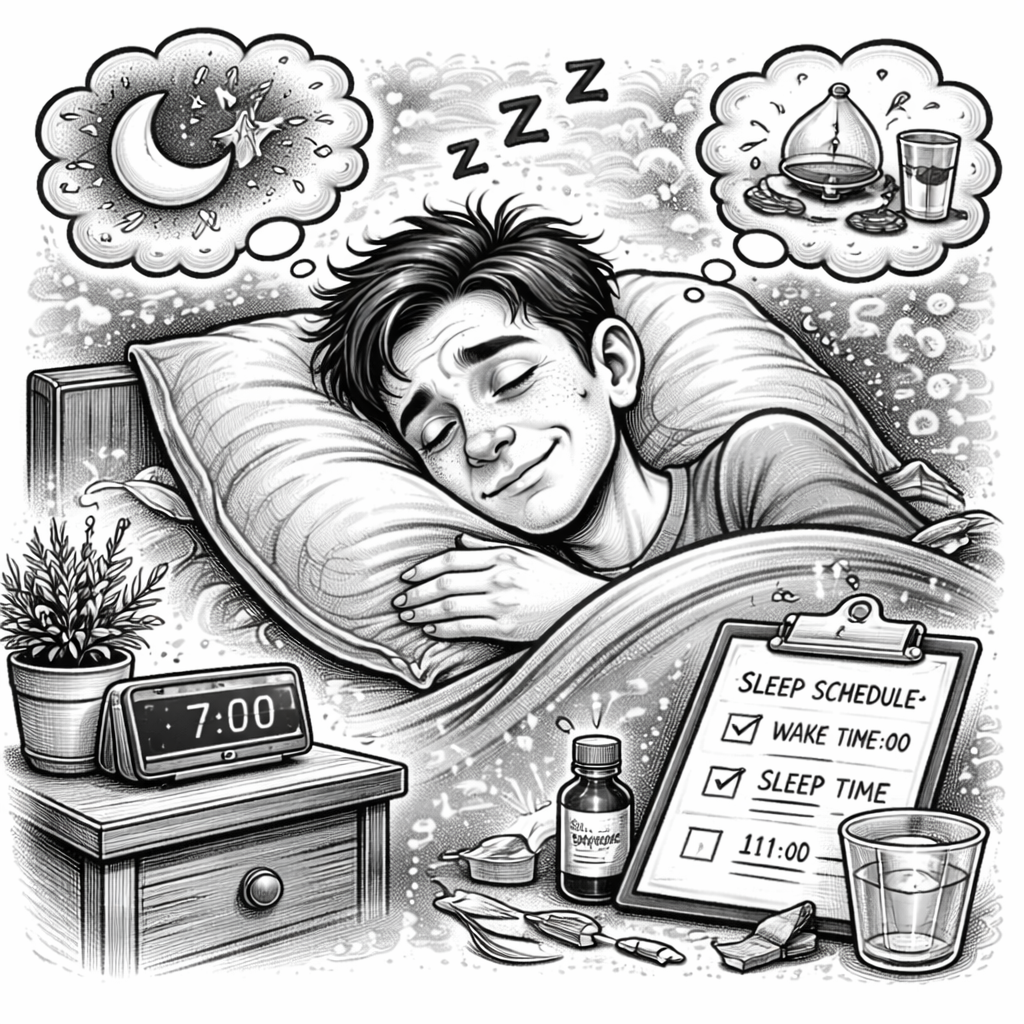
Sleep difficulties are often linked to sensory processing, arousal levels and daily load rather than sleep habits alone.
Support focuses on identifying contributing factors and making practical changes that support rest and recovery.
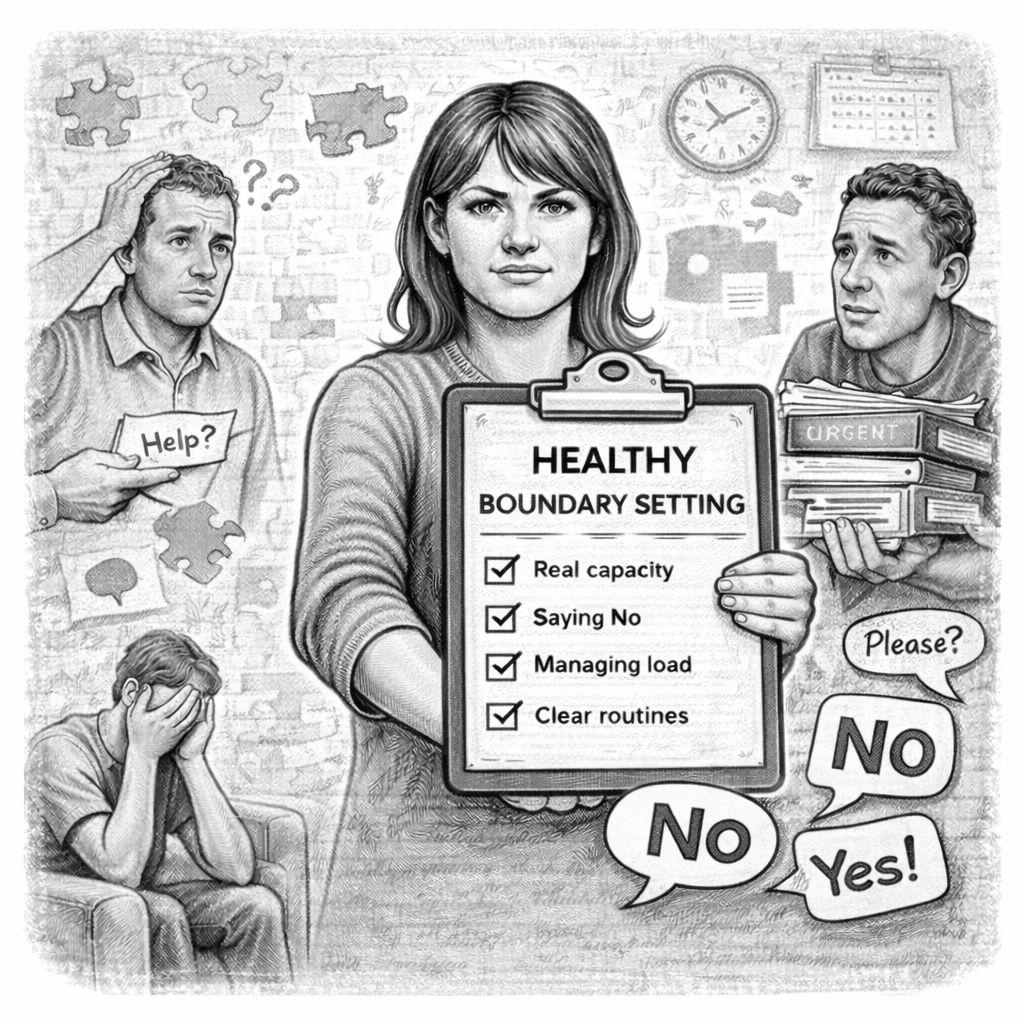
Healthy Boundary Setting
Difficulty setting boundaries often leads to burnout, shutdown and chronic overwhelm.
This service focuses on:
• Identifying real capacity.
• Reducing people pleasing and overcommitment.
• Managing sensory and social load.
• Building clear communication scripts.
• Creating sustainable routines.
Occupational therapy supports autistic adults to function more comfortably and sustainably in daily life. This includes understanding how sensory, cognitive and environmental factors impact energy, health and participation.
Services are tailored to the individual rather than a one size fits all approach.